10 Downsides of Living in an RV Full-Time (What I Wish I Knew)
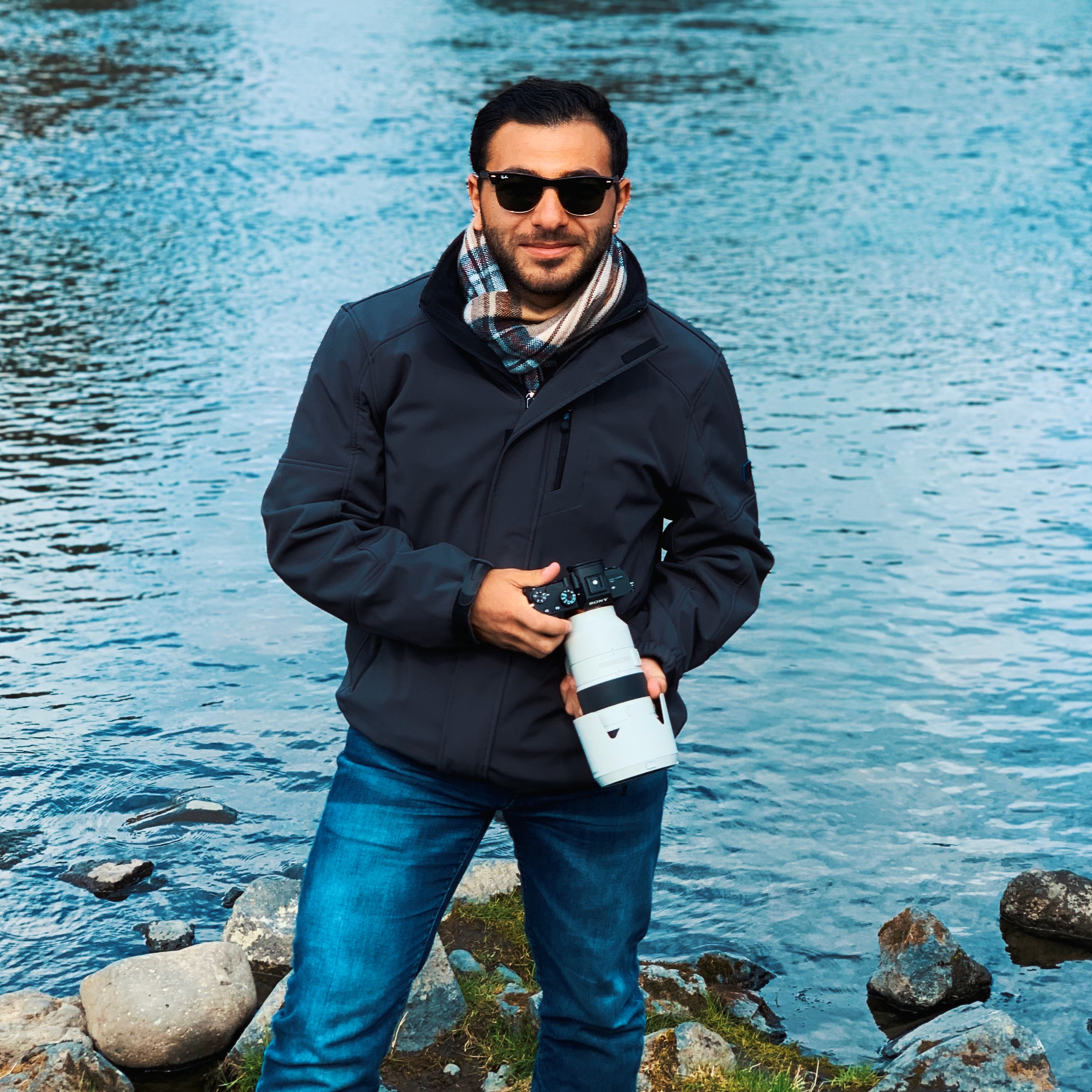
What's it really like living full-time in a camper? I've been in this trailer for three to five months now, road tripping across the US after leaving my job in New York City, and it's been a genuinely fun time.
It has also come with significant downsides. Here are the ten biggest ones, because this lifestyle takes preparation, planning, and honest expectations.
Some of the links below are affiliate links. If you buy through them I earn a small commission at no extra cost to you, and it helps support the channel.
1. Water is always a limited resource
Unless you're hooked up at a campground, water is a constant background worry. I'm almost always boondocking, and I've been fully off-grid for the last one to two months.
Tanks are why I bought this camper. But tanks mean monitoring, and monitoring is tiring. My fresh tank is 23 gallons. I'm always doing the math on whether there's enough to finish a shower.
Those showers are not luxurious. Water on, water off, water on again. Some people call it water anxiety and that's about right.
Washing dishes on limited water is its own frustration. You have to be very deliberate about it.
A bigger camper gets you a bigger tank, but bigger campers bring their own problems.
2. Emptying the tanks
The water has to go somewhere, and that's your gray and black tanks.
Everyone's biggest fear here comes from that scene in the Robin Williams movie *RV*. In reality it's highly unlikely once you know what you're doing. The whole process takes 10 to 15 minutes, a bit longer with a full clean.
The real cost is planning. Boondocking means always knowing where you can dump next, roughly every week or two. It can be expensive in some areas, though boondocking offsets that.
Is it worth having tanks at all? Absolutely. I'd rather have a bathroom, a shower, and a sink and deal with dumping than not have them. That's the entire reason I bought this camper. It's just one of those things nobody puts on the internet.
Right now I'm dry camping anyway, because it's still dropping into the 20s at night and I can't run the plumbing.
3. Safety
You can offset most of this by traveling to safe areas, and outdoor community areas tend to be pretty safe.
Animals aren't the main concern. Bears in places like Yellowstone, sure. Mountain lions I'd genuinely be a little scared of. But mostly it's people.
Practical precautions:
Travel to areas you've researched
Don't return to the same spot repeatedly
Don't post your exact location while you're still in it
Avoid drawing attention generally
For what it's worth, when I hear something rustling in the bushes at night I come out of bed like a ninja warrior ready for war, and it is always a squirrel.
I'll also say a lot of the people who ask me about safety on the road live somewhere the ice cream is locked up at the Walgreens. I'm arguably more worried about them.
4. The insulation is terrible
Some campers claim four-season and don't deliver. Mine isn't a four-season camper, I knew that going in, and I camped in winter anyway.
In Wyoming this winter it was consistently below zero. I burned two propane tanks every four days, about $60 worth up there, just running the furnace. It felt wasteful, and it's a big part of why I left Wyoming and headed south.
Windows make it worse. Every window is another place air gets in and out.
Condensation and mold
In winter the humidity inside condenses on the windows. If it starts condensing on the walls, you've got a mold problem.
Use dehumidifiers and moisture-absorbing bags, in summer too. This is the one I'd take most seriously.
5. The walls are paper thin
Everyone around you knows your business. I play guitar in here sometimes and I'm certain it sounds like a full concert outside. You could sneeze in this camper and somebody outside would say bless you.
Be a little chiller than you would be at home.
6. The space is genuinely small
Mine is extreme at 96 square feet. Even a huge rig is more cramped than a house, unless we're comparing to a New York City apartment.
What that forces:
Everything needs multiple uses. My step stool is a jack stand. I use the step on my Jeep to get on top of the camper
Nothing lives here that I don't use nearly every day
The 80/20 wardrobe rule becomes law. You wear 20% of your clothes. Only that 20% fits
It gets messy fast, but it also cleans fast, because there's so little of it
Company gets tested. Make sure you actually enjoy the people you invite in, because a tight space will find out
7. Mail and packages are a real problem
There are options: UPS access points, FedEx access points, Amazon lockers, which I was using in Salt Lake City recently. You can ship to friends or family you're passing.
But if you're in the middle of nowhere, you're in the middle of nowhere. Shipping times stretch out, so I plan one to two weeks ahead. I've shipped something to an access point and then had to leave for the next destination before I could collect it.
If friends or family want to reach you, or invite you to a wedding, tell them to email.
8. The stereotypes
This one is superficial, but it's real so I'll say it.
Overwhelmingly people are positive about this lifestyle. But some people think it's weird. I don't care much, and honestly the life I was living before seems far weirder to me now — all that time spent commuting.
It makes friendships and dating a little odd. You meet someone and then you're leaving town. I've found myself explaining it as "I'm on a very long road trip, I'm here today and might not be tomorrow. I'm going with the sun, wherever it's 70 degrees."
The people who get it, get it.
9. Security of your belongings
If you live in a camper, everything you own is in it.
I don't keep much of value inside, but I do have camera gear, and I take it everywhere. If I go to a restaurant, my camera backpack goes under the table with me. I look slightly unhinged carrying a huge backpack into a bar. I'd rather be that guy than the guy whose entire livelihood got stolen.
There's also the possibility the trailer itself gets taken. I always put a lock on the tow hitch.
What I'd tell anyone doing this:
Back your files up to the cloud. I've watched filmmaker and photographer friends lose everything. My whole laptop is backed up
Keep genuinely irreplaceable things in a lock box with family rather than in the rig
Get insurance
Try not to leave the camper unattended, and research the area when you must
10. Maintenance, constantly
A home on wheels vibrates down the road for hours a day. Things break. Add the amount of off-roading I do and it accelerates.
Right now: the door hinge broke on the way here. The furnace has started making a noise like a Honda Civic outside blasting dubstep, every time I turn it on, and it's cold, so I'm turning it on constantly.
It's always something, and it gets expensive. The day before my flight home for Christmas, the Jeep needed maintenance and that was another large bill. The more miles you drive, and the more dirt roads, the more of this you get.
Bonus: don't you get lonely?
This is the question I get most, so it belongs here.
Personally, I don't really get lonely. I'm constantly doing something and I talk to people wherever I am, in parks or towns or wherever I've stopped.
But it's a fair point. If you're doing this alone you can go long stretches without an immediate community, and even with a partner you may not have a consistent one, because you might drive away next week.
The honest version: if you're already lonely before you start, this lifestyle can amplify it. It's also true that plenty of people do this with a partner, you meet a lot of people on the road, and there are big nomad communities, especially this time of year down in Arizona and Florida.
Which, to be fair, is also true if you live alone in a house.
FAQ
What are the biggest downsides of living in an RV full-time?
Water management, dumping tanks, poor insulation, thin walls, tiny space, unreliable mail, security, constant maintenance, and potential loneliness.
How often do you have to empty an RV black tank?
Every one to two weeks depending on use, and it takes about 10 to 15 minutes.
Are campers well insulated?
Generally no. Many rigs marketed as four-season underperform. Below zero I went through two propane tanks every four days.
How do you get mail while living in an RV?
UPS and FedEx access points, Amazon lockers, or shipping to friends. Plan one to two weeks ahead.
Is it safe to live in a camper alone?
Mostly, with sensible precautions: research areas, don't repeat spots, don't post live locations, and lock the hitch.
Does living in an RV get lonely?
It can. It amplifies whatever you brought with you, so if loneliness is already a factor, plan for it.
Final thoughts
There are plenty of downsides, including some I didn't cover. There are also a lot of benefits, and I wouldn't be doing this if there weren't. I'm having a great time.
Any downsides I missed? Let me know in the comments. I'll see you out there on the road.
Related:
Gear in this video
Everything I actually use out here, from this video’s description. These are affiliate links, so buying through them supports the channel at no extra cost to you.
Comments