Driving From NYC to Yellowstone Towing a Camper in Winter
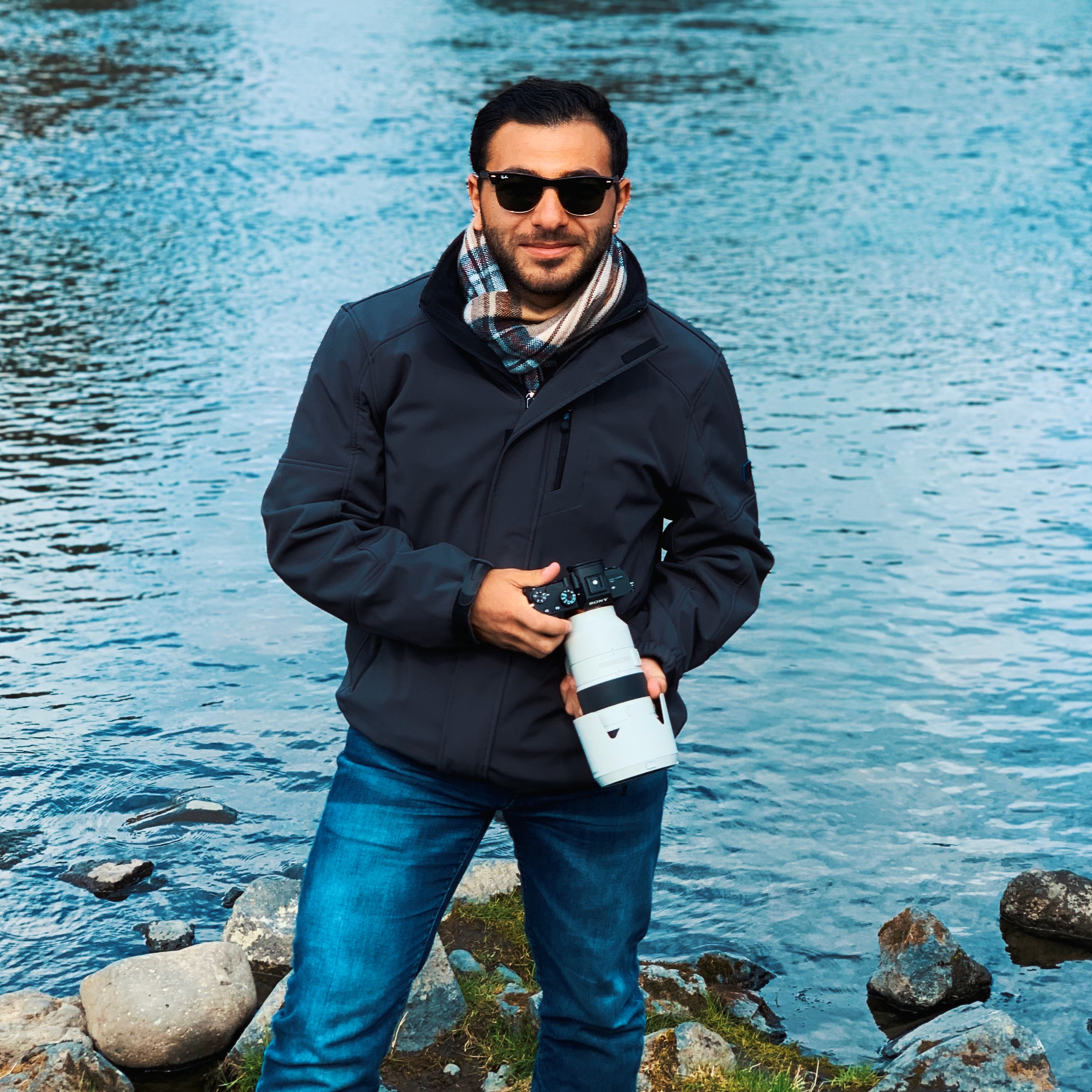
Today is the day I start a road trip from the New York City area all the way to Yellowstone National Park, living full-time out of my camper and towing it behind my Jeep Wrangler.
Roughly 2,500 miles and about 32 hours of driving. I have a loose plan, a handful of stops I want to hit, and a vague commitment to reaching Yellowstone in something like a reasonable amount of time.
I've wanted to do this for a long time. Pulling out of the lot where I've been storing the camper felt genuinely surreal.
Some of the links below are affiliate links. If you buy through them I earn a small commission at no extra cost to you, and it helps support the channel.
Day one: I left my job last week and it hasn't landed yet
I'm not going to pretend I set off feeling confident.
Driving out, I was apprehensive. Not really about the road trip itself, more about the whole idea. I left my job the week before and I still felt like I should be sending things in Slack. That feeling doesn't switch off on schedule.
I was excited and full of doubts at the same time. Unsure about my route. Unsure about the plan as a whole.
Day two: the camper is already a disaster
By day two the inside was a mess.
I'd brought my -20 degree sleeping bag to test, because if I'm going to be in Yellowstone I don't want to run propane all day and all night. I'd rather be in a bag warm enough to do the job on its own.
Here's the thing about a space this small: you bring one item in and it changes the entire room. The smallest additions make an enormous difference.
What actually goes wrong on a cross-country tow
This is the useful part. Almost none of it was the driving.
Tires
I swapped mine early on. They were showing their age and I didn't like the idea of hitting rough terrain on them with a trailer behind me.
The camper door
The door needed a sheet metal screw to close properly. That meant a hardware run mid-trip, screws that weren't quite the right ones, and hoping they'd hold. They did. While I was at it I picked up Reflectix to insulate the rear windows and a few of the others.
The Jeep's wiring
I ended up leaving the Jeep at a Camping World so they could look at the wiring. Not what you want on day whatever of a cross-country trip.
Propane, faster than expected
I burned through propane quicker than planned because I'd been running the heater high. And I hadn't reached the cold part of the trip yet. That was a genuinely concerning realization.
Hookups that don't work
At one stop the 30 amp port simply didn't work, so I tried converting a 50 down to 30. Bring adapters.
Winterizing on the road
Since Camping World had a dump tank, I took the opportunity to winterize while they had the Jeep.
Rough process: empty the fresh water tank, open the valves on the hot water tank and the system, bypass the hot water tank, then let the pump pull antifreeze through all the lines except the fresh tank and the bypassed hot water tank.
After that, dry camping only. Worth it heading into Yellowstone in winter.
The stops
Chicago. I'd been before and remembered it being more spacious, which is why it wasn't originally on the list. Towing a camper through any city is stressful. Towing through tight city streets with a million cars around is worse. For what it's worth, New York City driving is unbearable without a camper. I stopped at Giordano's for a deep dish, ordered the smallest personal pie they sell, and it was still an enormous amount of cheese. Not for the lactose intolerant.
Sioux Falls, South Dakota. Better than I expected. The area was historically a major meeting place for Native American tribes, including the Dakota Sioux, which is where the name comes from, and the Big Sioux River runs right through the city.
The stuff nobody puts in the highlight reel
Winter daylight kills your driving time. Short days meant I was constantly running out of usable hours. I'd rather stop at 8pm and start early than push into the night.
You live at gas stations. I lost count around the third or fourth fill since New York.
Security is always in the back of your head. When you live on the road, your entire life is with you at all times. Leaving the camper somewhere means being genuinely confident the area is safe. That's a real downside of full-time camper living that doesn't come up much.
Interstates aren't inspiring. I had a long list of videos I wanted to film and spent most of the trip on interstates in bad weather, not feeling inspired by any of it.
Cooking is fine. Cleaning is the problem. It's roughly 99% more annoying to clean than to cook. It's still always worth it.
The decision I kept going back and forth on
There was a storm forecast for Friday that looked bad, and I must have reconsidered heading south a dozen times.
Part of me kept framing that as giving up, which is ridiculous. Going south would have been an amazing trip, just a completely different one.
What I landed on: on this trip I haven't really been stopping to see these states. This won't be my only cross-country run. I'll be back up here in the summer months when I can actually see places properly. Time didn't allow for it this round, and this isn't the season for it up here.
So I stayed pointed at Yellowstone.
Racing the snow
By the end of this leg it was down to 29 degrees at night, my battery was swinging between 40% and 95%, and snow was forecast to start within two or three hours.
That morning was basically my only window to get toward Bozeman before things closed up for two or three days. Road conditions were green except for a patch from Livingston down to Gardiner, and there was no telling how long green would last.
Now or never. So I got moving.
I didn't make it to Billings on this leg. Do with that information what you will.
FAQ
How far is it from New York City to Yellowstone?
Roughly 2,500 miles and about 32 hours of driving, before any stops.
Can a Jeep Wrangler tow a camper across the country?
Mine did. The bigger challenges were winter daylight, weather windows, and maintenance, not the towing itself.
Should you winterize a camper mid-trip?
If you're heading somewhere genuinely cold, yes. I did it at a Camping World that had a dump tank, bypassing the hot water tank and pulling antifreeze through the lines. You'll be dry camping afterward.
What breaks on a trip like this?
For me: tires needed replacing, the camper door needed a screw, the Jeep needed a wiring check, and a campground's 30 amp port didn't work. Bring adapters and basic hardware.
Is winter a good time to drive west?
Not really. Short days, bad weather, and closed windows. I'd do this route again in summer to actually see the states along the way.
Final thoughts
Two thousand five hundred miles, a job I'd just left still rattling around in my head, and a snowstorm chasing me toward Montana.
I'll see you out there on the road.
Gear in this video
Everything I actually use out here, from this video’s description. These are affiliate links, so buying through them supports the channel at no extra cost to you.
Comments