OM System OM-5 Mark II: My Favorite Adventure Camera?
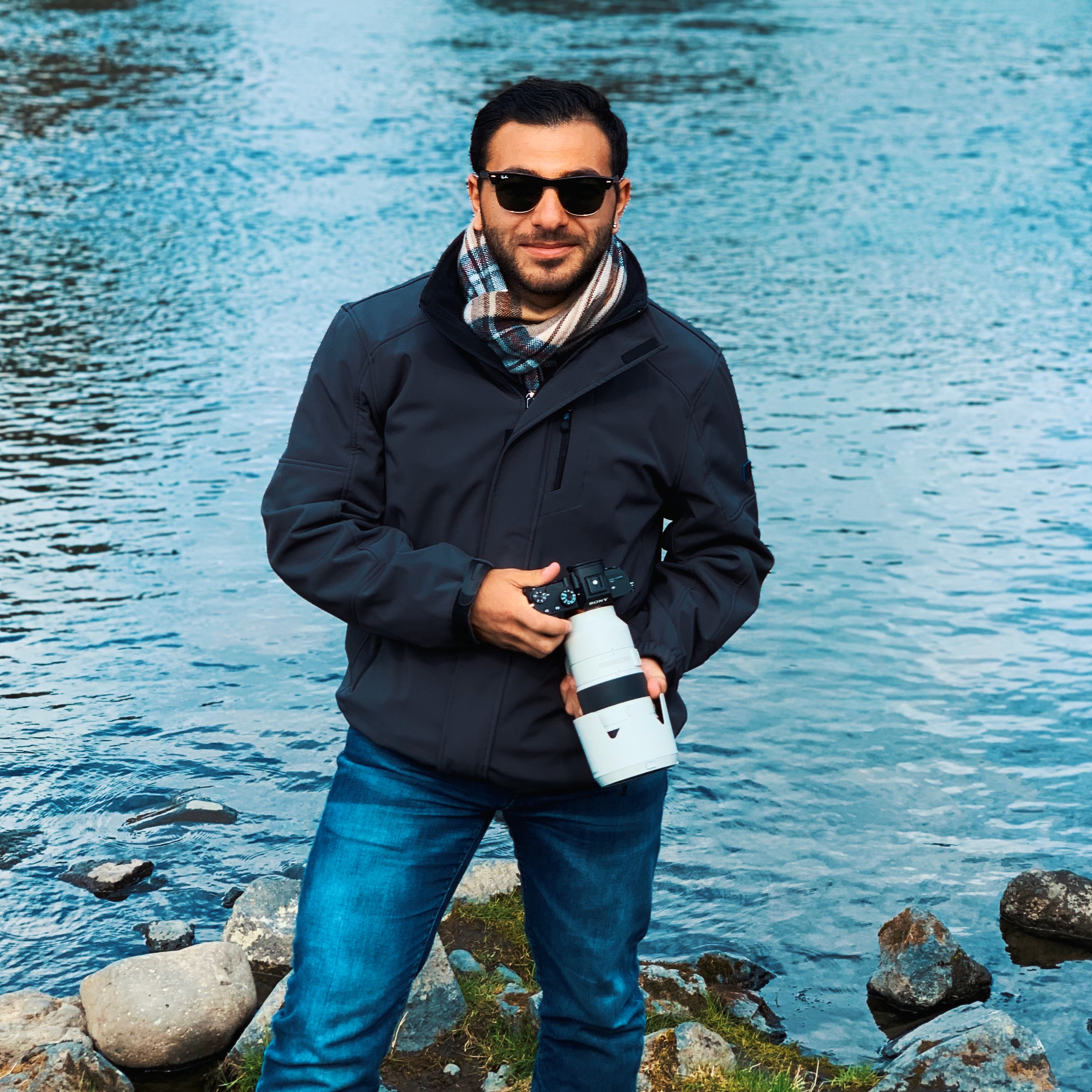
This little Micro Four Thirds camera might be my favourite adventure camera of the year. There are also a few specific things keeping me from going all in on it.
This is the OM System OM-5 Mark II. I covered its launch, and I've since used it a great deal, including a full video series with B&H out in Washington. I compared it directly against a full-frame Sony a7CR, one of my favourite cameras of all time, and I was genuinely astonished by the results.
Some of the links below are affiliate links. If you buy through them I earn a small commission at no extra cost to you, and it helps support the channel.
OM-5 Mark II specs
Spec | Detail |
Sensor | 20MP Micro Four Thirds, 2x crop |
Photo bit depth | 12-bit |
Burst | Up to 30 fps |
Stabilisation | 5-axis IBIS plus electronic IS |
Computational modes | Live ND, HDR, focus stacking, high-res shot |
Video | 8-bit |
Card slots | Single |
Ports | USB-C, micro HDMI |
Screen | Flip-out, not flip-up articulating |
Price | Around $1,200 |
Colours | Three, including sand beige |
Body and design
I have the silver one. There are three colourways, and honestly the sand beige is the best one. I suspect it's either sold out or selling far better than the others, because it simply lends itself to an adventure camera. If you're looking at the OM-5 Mark II and not looking at sand beige, what are you doing?
It feels rugged enough that I don't baby it, which matters more than any spec when you're actually out in weather.
USB-C is a welcome upgrade. Living in a camper, I don't want a million different cables. I want USB-C for everything. I own a Milwaukee drill with a USB-C charger, which tells you where I am on this.
The screen is a regular flip-out rather than a flip-up articulating one. I've never minded. If I want it up, I flip it out and tilt.
The one body complaint: micro HDMI
I hate micro HDMI, and I believe every OM System camera has it.
I use monitors, and micro HDMI breaks constantly. Shooting with the OM-1 Mark II in Acadia National Park we went through three HDMI cords, because when you're out on an adventure you knock things. I've cracked so many that way.
I'd prefer full size, and so would everyone, though on a camera this small I genuinely don't know where they'd put it. It's a niche complaint unless you shoot with a monitor.
Why this ecosystem is so good for adventure
The whole OM System ecosystem is remarkably lightweight and compact. Filming that series in Washington, I could carry almost every OM lens I own at once, on real hikes. Not literally every lens, the big telephotos are too much, but for landscape work it's trivially easy.
That's the part that actually matters. Being lightweight makes you want to bring the camera out, and wanting a camera with you all the time beats having a better camera you leave behind.
Computational photography is the real selling point
This is a very smart camera, and it's what makes OM System stand out. Very few other manufacturers are doing this properly.
Live ND. Turn it on in the settings and get those long-exposure smooth waterfall shots without carrying filters
HDR. Either bracket separate frames to blend in post, or let it blend in camera. That expands your dynamic range on very high-contrast scenes, and I appreciate having both options
Focus stacking. Shifts the focal plane across the scene when you can't stop down enough to get foreground and background sharp together
High-res shot, which extends the effective resolution
Combine those with the 5-axis IBIS plus electronic stabilisation and you can hand-hold remarkably long exposures and still get tack-sharp results. That's impressive.
Is 20 megapixels enough?
I get asked constantly how many megapixels you actually need. The honest answer today is: not that many.
I do personally lean toward higher resolution cameras, mostly for posterity. I want the most detail captured in case I want to do something with it years from now. Why choose lower resolution if higher is available?
But 20 megapixels is more than enough for anything on social media, and plenty for landscape work.
For wildlife it's better than it sounds. The Micro Four Thirds sensor is already a 2x crop from full frame, so your lens puts you far closer to the subject to begin with. You're not relying on cropping in post. Add 30 fps burst and this becomes genuinely viable for wildlife, even though it isn't marketed as a wildlife camera.
Dynamic range was plenty to work with in post even without HDR turned on.
The real constraint is 20MP at 12-bit. That doesn't leave much room to crop or push exposure afterwards, which means you want your exposure and composition dialled in in the field. Which is what we should all be doing anyway.
The downsides
Video is not for me. It only shoots 8-bit, and I think 10-bit is essentially necessary now. I've never chosen OM System cameras for video. It's capable, and if you rarely shoot video it's fine. But I'm shooting something like 70% video and 30% photo, sometimes closer to 50/50, and I need video to be strong.
Portraits aren't its strength either. Micro Four Thirds can shoot portraits well enough, but the depth of field isn't as shallow as full frame and I notice it. Shallow depth of field is how I like to shoot portraits, so I'd reach for full frame. If you're 20% portrait and 80% landscape and wildlife, that's fine.
Single card slot, so probably not the body for paid full-day shoots.
Who should buy the OM-5 Mark II?
Buy it if you shoot:
Landscape, where it genuinely excels
Wildlife, thanks to the 2x crop and 30 fps
Street
Adventure and travel, where weight and durability decide everything
It's also an excellent step up from phone photography. Once you add real lenses you get depth a phone can't produce, because those sensors are too small and the lenses won't get you there.
Skip it if you're video-first or shooting a lot of portraits.
At around $1,200 plus a lens, it's beginner-friendly while putting you into real photography.
FAQ
Is the OM-5 Mark II good for wildlife?
Yes, more than you'd expect. The 2x crop factor gets you closer optically and it shoots up to 30 fps.
Is 20 megapixels enough in 2026?
For social media and most landscape work, comfortably. The limitation is cropping and pushing exposure in post, since it's 20MP at 12-bit.
Can you shoot video on the OM-5 Mark II?
You can, but it's 8-bit only. If video matters to you, look elsewhere.
How does Micro Four Thirds compare to full frame?
I compared it directly to a Sony a7CR and was astonished by how close the results were. Full frame still wins for shallow depth of field, which matters for portraits.
What is computational photography on OM System cameras?
In-camera Live ND, HDR blending, focus stacking and high-res shot, which replace filters and post-processing steps.
What's the biggest annoyance?
Micro HDMI. If you shoot with an external monitor, expect to break cables.
Final thoughts
Light enough that you actually carry it, smart enough to replace a bag of filters, and tough enough not to worry about. For landscape and wildlife on the move, it's hard to beat at this price.
What do you think of the OM-5 Mark II, and what are you shooting with? Let me know in the comments. I'll see you out there on the road.
The rest of my gear
From this video’s description. These are affiliate links, so buying through them supports the channel at no extra cost to you.
Comments