One Month Living in a Camper in Maine: What I Learned
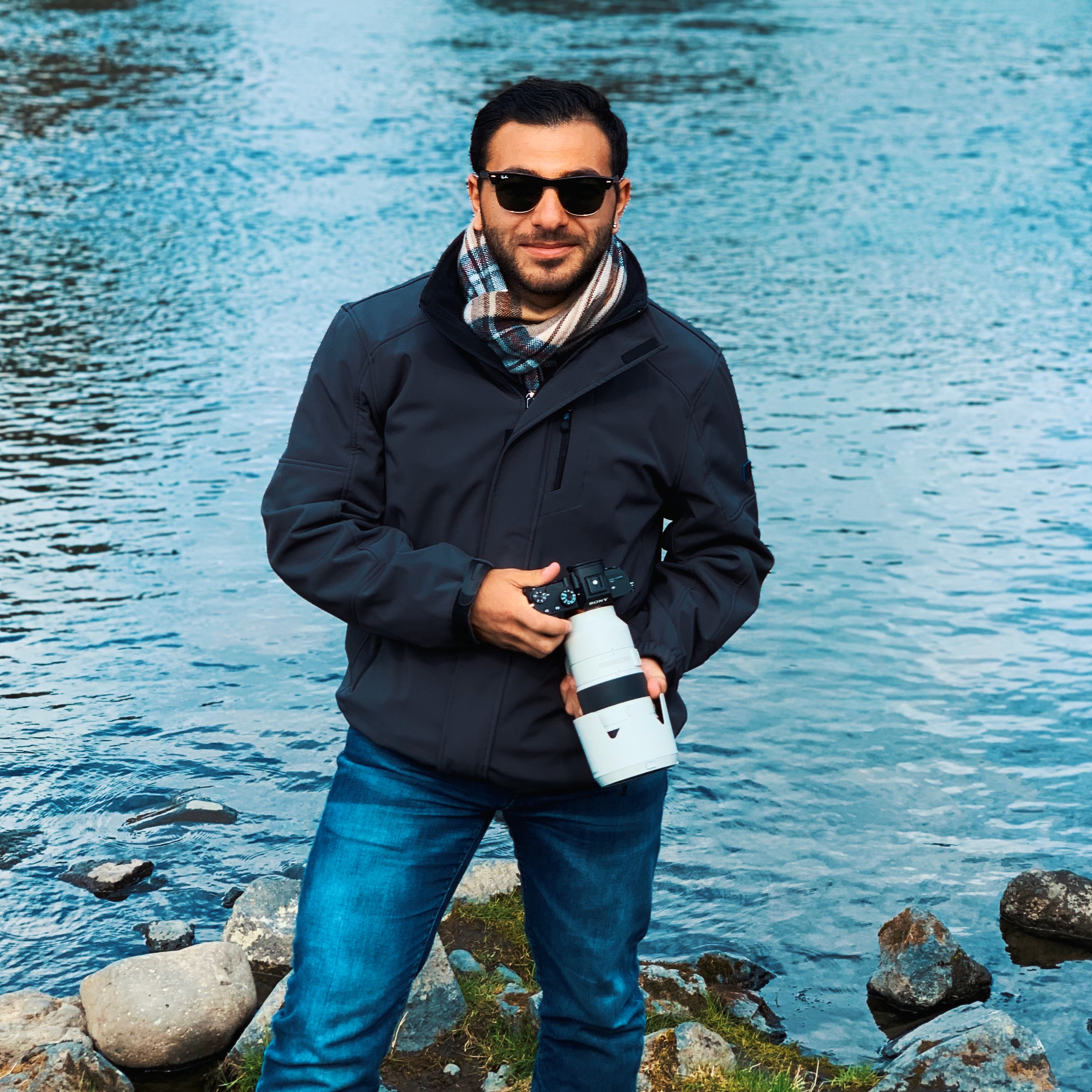
Today marks one month living full-time out of this camper, and I've learned a lot. Things to do, things absolutely not to do. I spent most of it tucked away in the backwoods of Maine and exploring New England, figuring out what it actually means to live on the road and off the grid.
It's been one of the best decisions I've ever made. There have also been some hiccups.
Some of the links below are affiliate links. If you buy through them I earn a small commission at no extra cost to you, and it helps support the channel. Thanks for that.
Here's what I learned in month one: what I wish I'd known, what surprised me, what I don't like, and whether any of it was worth it.
Why I did it
The goal was simple. I wanted to wake up every day, look out the window, and see trees. Every single day this month, that's been true.
I wanted to spend more time outdoors, and I wanted to challenge myself to see how small a space I could actually live in. This camper is very small, but it has everything I wanted.
I worked in New York City, and I always knew that was incompatible with the life I wanted. I like being outdoors, specifically in wilderness areas. I'd dreamed about buying a camper and living in it and exploring the US, and as time went on it kept looking harder rather than easier. So instead of waiting longer, I sold as much as I could, put the rest in storage, and moved in.
What surprised me in the first month
I'd prepared a lot, so there weren't many surprises. There was one expensive mistake.
The mistake: I killed both batteries
I accidentally left the Jeep connected to the camper by the seven-pin plug. The camper was trying to charge off it the whole time.
I was boondocking under trees for about a week, so I was getting no solar. The camper battery died completely, and because nothing was smart enough to cut the connection, it took my car battery with it. So I had to jump the Jeep. In the rain.
Lesson learned: don't leave it connected for extended periods, and especially not when the camper battery is already low.
The thing I almost left behind
I brought a bike and I was skeptical about it. I almost left it home. I'm really glad I didn't.
With the bike, I can drop the trailer, drop the car too, and still get down back roads. It adds a whole extra layer of range.
What living in a small camper is actually like
Why so small
I get it. Some people have genuine houses on wheels, and I respect it. This is the biggest camper my Jeep Wrangler can tow, and I wasn't giving up the Wrangler. That car has brought me a lot of joy over the years.
The travel trailer format is the real win. I can drop the camper and take the Jeep off-road or deep into the backwoods. I was at a park in Maine that wouldn't allow the camper, so I parked it right outside, went in, tent camped, and met a bunch of people. That flexibility is exactly what I was after.
The window
One of the main reasons I bought it. The big rear window plus the side windows make it feel like a fishbowl, in the best way. So much daylight that being inside still feels like being outside.
I sleep right against that window. Lifting the shade in the morning to see what the weather is doing and what's in front of me is genuinely my favorite part of this whole thing.
Cold weather, and the winterizing question
The temperature dropped hard this month. A couple of nights hit around 25 degrees.
I chose not to winterize, because winterizing would mean losing the plumbing and I wanted to keep using it. The first couple of nights I was nervous and second-guessing that.
All I did was run the heater and leave the cabinets open, and we were fine.
I have an air conditioner too. Haven't touched it once.
The bathroom is the underrated part
Full kitchen, full bathroom with a shower. One night I went out to a restaurant and showered in the parking lot beforehand. For everyone else's sake, I probably smelled great.
Making it feel like home
A few small things did more than I expected:
A lot of wool blankets. This is most of it, honestly
Adhesive contact paper on the table, which is not really wallpaper but does the job
A custom live-edge wood table I've ordered and am genuinely excited about
The TV, which I never watched at home and now run constantly with a show in the background while I work. Paired with the Coleman lamp it feels like a cabin in the woods, which was the entire dream
The hardest part: getting work done
This is the one nobody warns you about.
You're parked somewhere epic. There's a waterfall 200 or 300 yards away. People are walking past having a great time. You have to silo yourself to get anything done.
There are days I just need to put myself in this seat and edit the videos, edit the photos, and plan the next week. Every day can feel like an adventure, and I love that, but every so often you need to adventure into your laptop instead. That's what makes it a sustainable full-time lifestyle rather than a long vacation.
What it cost, roughly
I'm going to do a full video on what I spend living in a camper full-time. The short version: I spent less than I expected this first month.
Campsites were the big saving. I boondocked and dispersed camped far more than I planned, because Maine has so many options.
Food was steady too. I made chicken, steak, and vegetables most nights I cooked, or grabbed a wrap. I'd hoped to eat out more, but when you're in the middle of the woods there just aren't many options, and I was in the woods essentially all month. A well-stocked fridge and freezer means you can make a solid meal anywhere.
Would I do it again?
People keep asking. When are you coming home? Are you bored yet? Do you regret it?
This was the best decision I have ever made, and I'm stoked to keep going.
The most valuable part has been finding out what I can tolerate and how little I actually need. Northern Maine turned out to be one of my favorite places I've been. It has a lot in common with Alaska, which is another favorite, and I can't wait to get back there next fall.
FAQ
Do you have to winterize a camper for freezing nights?
Not necessarily. I didn't, because I wanted to keep using the plumbing. At around 25 degrees, running the heater and leaving the cabinets open was enough for me. Your rig and your temperatures may differ, so don't take this as a blanket rule.
What's the biggest mistake to avoid?
Leaving your tow vehicle connected by the seven-pin plug. There may be no smart cutoff, so a low camper battery can drain your car battery too.
Is a small camper big enough to live in full-time?
Mine is, and it's the biggest a Jeep Wrangler can tow. The tradeoff is worth it because I can drop the trailer and take the Jeep anywhere.
Is it cheaper than renting?
My first month cost less than I expected, mostly because I boondocked and dispersed camped instead of paying for campgrounds. A full budget breakdown is coming.
What's the hardest part of full-time camper life?
Focus. Getting real work done when you're parked somewhere beautiful and everyone around you is out having fun.
Final thoughts
One month in, no regrets. Do you think you could live in a camper? Or are you already doing it? Any tips are welcome in the comments.
I'll see you out there on the road.
Related:
Gear in this video
Everything I actually use out here. These are affiliate links, so buying through them supports the channel at no extra cost to you.
Comments