Sony 600mm f/4 Review: Is a $14,000 Lens Worth It?
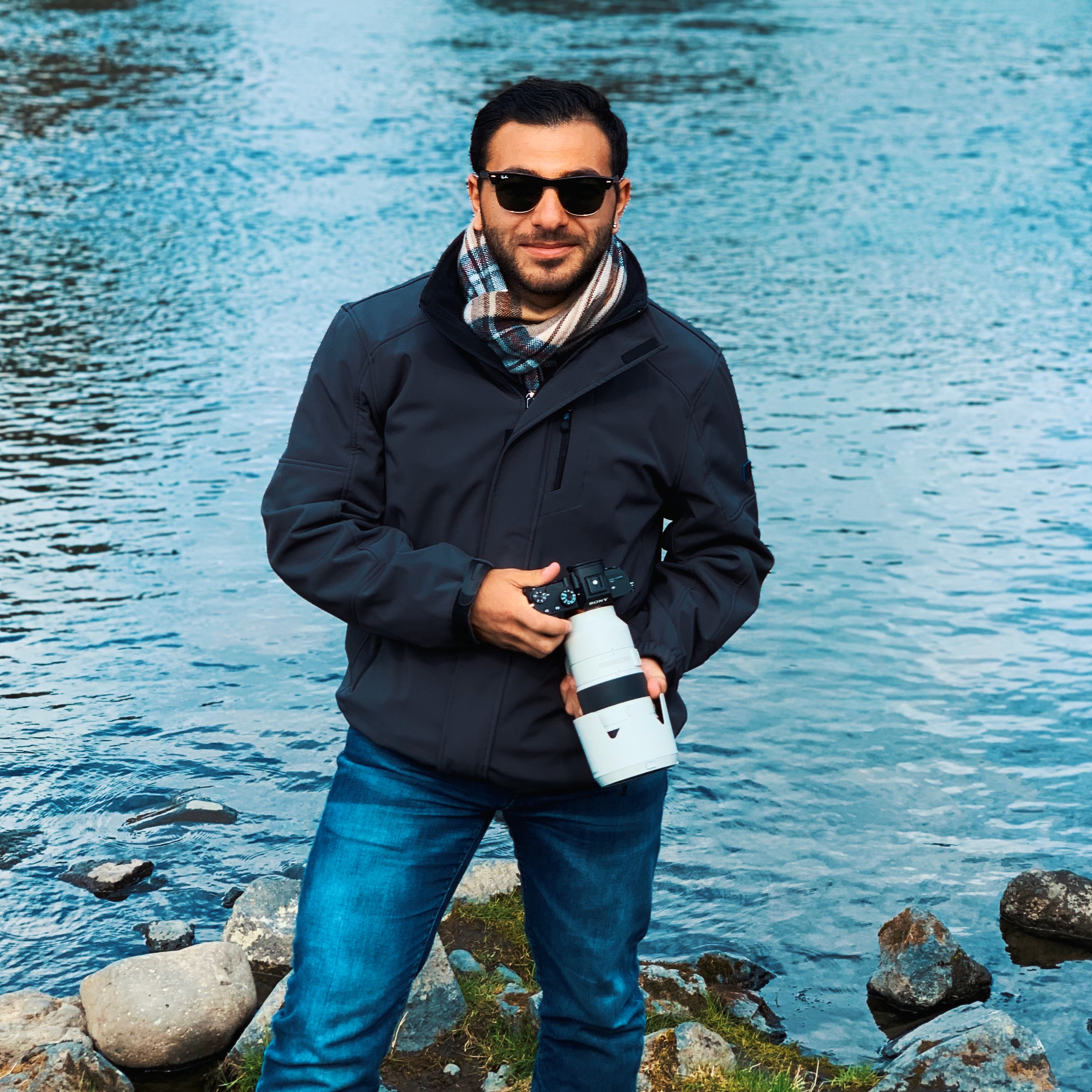
This is one of the most coveted wildlife lenses in the world. The Sony 600mm f/4 GM. It costs about $14,000, which is the price of a used car, a down payment on a home in some places, or an entire camper.
I've owned it for about two years and I've been shooting it all over Grand Teton and Yellowstone. Here's whether it's actually worth the money.
Some of the links below are affiliate links. If you buy through them I earn a small commission at no extra cost to you, and it helps support the channel.
First, about that price
You may remember this lens being $13,000. It's gone up since I bought it, because of tariffs. It's now around $14,000, and the 400mm f/2.8 sits around $13,500 to $14,000 as well.
Why I bought it
I'm a wildlife and landscape photographer and videographer, which is why I'm out here.
I was on an island in Alaska filming bears for a company, working with my 200-600, which is a genuinely fantastic lens. But as it got into the darker hours, which is when the light actually gets good, I really needed that f/4 aperture.
Standing there in the middle of nowhere on what was close to a once-in-a-lifetime shoot, I thought: why wouldn't I have the best possible lens for this job? I came home from that trip and bought it. I was still pleased with the footage I got, but it would have been better with the 600.
What makes 600mm f/4 special
The f/4 aperture at 600mm is the whole thing.
You get the compression of 600mm combined with a genuinely shallow depth of field. It isolates your subject and melts the background, and the bokeh is superb. Because that combination is so rare, images shot on it look distinctive.
The practical advantage matters just as much. That extra stop and a half of light over other telephotos means you can shoot later into the evening and earlier in the morning, which is exactly when the interesting light happens. Anything a lens lets you do that other lenses can't produces photos you wouldn't otherwise get.
The body
Spec | Detail |
Weight | 6.7 lbs |
Aperture | f/4 |
Minimum focus | Around 15 feet |
Filters | No front filter, drop-in filter slot at the rear |
Released | Around 2019 or earlier |
6.7 lbs is genuinely light for this focal length, though noticeably heavier than the 200-600. It's balanced well enough that it doesn't tip forward or back in the hand, but you'll still want a tripod most of the time. It's lighter than the Sigma 300-600mm f/4, which I covered in a video at B&H and which is a very big lens.
Two things I've changed
The lens hood. I use a folding travel hood instead of the original. The stock one is enormous, and replacing it costs $1,000, which is faintly absurd. Mine lives in storage. The travel version folds flat and the portability difference is significant.
Camo wrap, applied on day one. Not for concealment, honestly. It's thick enough to protect against dings and scratches, and at this price I'll take it.
Performance
Image quality: no complaints. It's damn near perfect and frankly a little mind-boggling. Best in class. I've been pairing it with the a7 V.
Autofocus is incredibly fast. Sony's autofocus is already advanced and this is no exception. It's an older lens now, so if they ever update it I'd expect it to get quicker still.
Low light is its strongest suit. A fast f/4 prime at 600mm lets you keep a usable shutter speed and a reasonable ISO when the light drops, which is where the crisper images come from.
Image stabilisation is the weak point. It's an older lens and it shows. I find it not much worse than the 200-600, and most people will be on a tripod anyway, which is what I do for video. Handheld photo is fine. Handheld video is genuinely shaky and not really an option, whereas I can shoot handheld video on the 200-600.
Features are what you'd expect: focus limiter, a focus recall button that's especially useful for sports, and a twist custom button.
Handheld fatigue is real. I work out reasonably regularly, partly so I can carry gear into awkward places, and I still tire with this. The pound and a half you save with the 200-600 makes a real difference over a long day.
Teleconverters are where it pulls away
This is underrated. I won't really bother with a teleconverter on the 200-600 or the 400-800, but I absolutely will on this lens, taking it to 840mm or even 1200mm.
The teleconverter performance is out of this world, and crucially it stays usable. You lose stops with either the 1.4x or the 2x, so you want as much light entering the lens as possible, and a fast prime gives you that. On the zooms you can get away with the 1.4x; the 2x gets far too dark and you end up needing the brightest possible light, which is rarely flattering.
I also adapted this to a Nikon ZR and was impressed. A lot depends on the adapter, but I got focus and some genuinely excellent images.
What I'd improve
The price, obviously
Image stabilisation could be considerably better
Minimum focus distance of around 15 feet is too far. The 200-600 is better here. If you shoot small birds, which is a core use for this lens, you want to be as close as possible. You can back up, but then you're cropping and losing resolution
No built-in Arca-Swiss plate. I'm running a replacement foot adapted to Manfrotto, which is silly at this price. Ship it with an Arca-Swiss foot
The size. I live full-time in a camper and this thing has a real footprint
You need a dedicated backpack. I had to upgrade. If you want the body mounted while it's packed, you need something very large, which makes flying harder. I won't check it, so finding a bag that works is a challenge. The Shimoda Action X60 has worked for me
The anxiety. I don't want to leave it in the car, ever, and it's always in the back of my mind. I know gear is meant to be used and I think I've done well with that, but it's a lens you baby in a way you don't with the 200-600
So is it worth $14,000?
The answer is nuanced.
You will miss shots with this lens. It's happened to me. Wildlife comes closer than 600mm allows, so you want a second body with something like a 100-400 for anything nearby.
The 200-600 costs around $2,000 and offers vastly more versatility. That's the tension I sat with before buying, and I actually asked Sony Artisan Colby Brown about it. His answer stuck with me: you're going to miss shots, but the shots you do get are going to be that much better.
Buy it if:
You shoot wildlife professionally and can earn the cost back
You want the absolute best image quality available at this focal length
You specifically want that 600mm f/4 compressed look with a buttery background, every time
You'll use teleconverters seriously
You find it used or on sale, which meaningfully changes the maths
Skip it if: you want versatility, you shoot handheld video, or the 200-600 and 400-800 already cover your work. Honestly, those two are almost too good, and that's the real argument against this lens.
FAQ
How much does the Sony 600mm f/4 cost?
Around $14,000. It was closer to $13,000 before tariffs pushed it up.
How heavy is it?
6.7 lbs, which is light for the focal length but heavier than the 200-600.
Can you handhold the Sony 600mm f/4?
For photo, yes, though you'll fatigue. For video, not really. The stabilisation isn't strong enough and it's noticeably shaky.
Do teleconverters work well on it?
Exceptionally. 840mm and even 1200mm stay usable, which isn't true of the zooms with a 2x.
Is the 200-600 good enough instead?
For most people, yes. It's around $2,000 and far more versatile. You give up the f/4 look and the low-light window.
What's the minimum focus distance?
Around 15 feet, which is my main functional complaint, particularly for small birds.
What backpack fits it?
I use the Shimoda Action X60. You need something large, especially with a body mounted.
Final thoughts
Near-perfect optically, unmatched in low light, and superb with teleconverters. Also enormous, expensive, and mildly stressful to own.
If you enjoyed the wildlife photos in this one, I have a wildlife photography course coming, beginner to pro. Subscribe to the newsletter and I'll email when it goes live.
I'll see you out there on the road.
Gear in this video
From this video’s description. These are affiliate links, so buying through them supports the channel at no extra cost to you.
Comments