A Spring Living in a Camper in Yellowstone
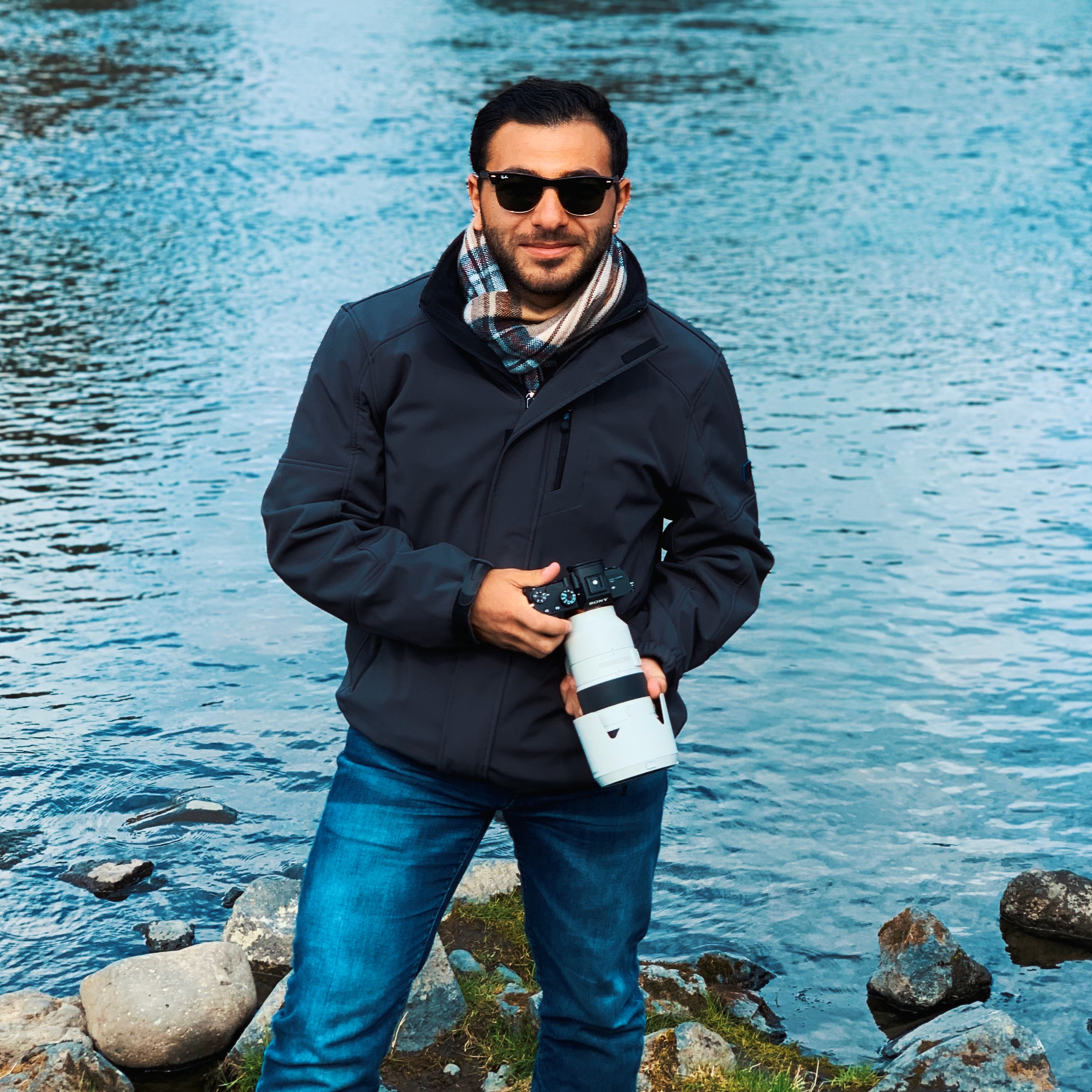
I spent the entire spring living full-time in my tiny camper in Yellowstone. It came with real upsides, real downsides, and some of the most incredible wildlife encounters of my life.
I've been on the road over six months now, and the last month or two has been almost exclusively here. Right now I'm at one of the best campsites I have ever stayed at, with a river behind me and Pilot Peak in view.
Here's everything about living in an RV in Yellowstone in spring.
Some of the links below are affiliate links. If you buy through them I earn a small commission at no extra cost to you, and it helps support the channel.
How I got here
The route north: Moab, then the Salt Lake City area, down to Monument Valley, over to Page, Arizona, a stretch in St. George, Utah, then north to the parks.
What pushed me north was heat. St. George hit almost 90 degrees during a heatwave. I can run my air conditioning off-grid, but honestly it's easier to just drive north, even with what gas costs right now.
The re-winterizing whiplash
This is the part that surprised me.
I'd been dry camping for at least three months, so when it warmed up I de-winterized and had running water again. Then I headed to the Tetons and the temperature dropped into the single digits.
I ran the water for about three days before I had to re-winterize the entire camper.
The upside is that I've done it enough now that it takes me 20 to 30 minutes. It's not a big deal mechanically. It's just deflating to go straight back to dry camping right after getting your plumbing back.
Lesson: heading north in spring means you're chasing two seasons at once. Don't de-winterize the moment it gets warm.
Camping outside Grand Teton in spring
Worth knowing before you plan this trip.
Nearly everyone ends up in one section of Bridger-Teton National Forest just outside the park, because that's where the National Park Service is directing people. No campgrounds were open, and I didn't see any other open National Forest land.
The result is that everybody is packed into one circle, parked 10 to 20 feet apart. It's not ideal.
I didn't mind much. But if this were my first and only trip to Grand Teton, I'd have been pretty disappointed. Nighttime temperatures were still dipping into the 20s, and it snowed on and off.
Getting into Yellowstone in spring
Mammoth Hot Springs is open year-round, so I knew I'd have somewhere to land. At that point it was the only campground open in the park.
The catch: the south entrance wasn't open yet, which meant I couldn't go straight up from the Tetons. I had to go all the way around, over Teton Pass into Idaho, and in through West Yellowstone.
Coming into Yellowstone always feels like returning home in a strange way. The place welcomes you.
Later, once things warmed into the 60s and 70s during the day, I moved down to Madison Campground near West Yellowstone.
Spring is the best time to be in Yellowstone, until it isn't
Everything is being born. Bison calves newly on their feet, and newborns across a whole range of species. Spring genuinely feels like the most exciting time to be here.
The tradeoff is crowds, and they arrive fast. When I first got here there was literally nobody. Within a couple of weeks the park was a completely different place and it was starting to get too packed for me.
If you want spring Yellowstone with room to breathe, come early in the season and accept the cold.
The wolves
This was the best day.
A group of us were set up watching and hoping. Then, one by one, the wolves came out of the trees. It was one of the most spectacular experiences of my life, and part of what made it was that it was shared, everyone around me seeing it at the same time.
Then it escalated. After the sun went down there was a second bison carcass about 100 yards from the first, and the wolves began crossing the river to reach it. There was a grizzly bear there too.
Those are some of my favorite photos I've ever taken. We were very far away and at higher elevation, which wasn't the ideal angle, but the whole thing looked genuinely cinematic.
The biggest downside: fuel
Gas prices right now are astronomical, and this is where wildlife photography gets expensive.
I was driving hours every day looking for wildlife and meeting up with people, which meant filling up every couple of days at $70 to $80 a fill. My vehicle isn't great on fuel economy to begin with.
That was easily one of the biggest costs of this stretch. I'm planning a full expenses breakdown video soon, which I'm slightly terrified to actually total up.
There's a related frustration: I want the camper with me at all times, because then I have all my amenities wherever I am. In practice that's often difficult, so you end up driving the tow vehicle out and back instead.
FAQ
Can you camp in Yellowstone in spring?
Yes, but your options are limited early on. Mammoth Hot Springs is open year-round. Madison opens later. Expect closures on entrances, including the south entrance, well into spring.
Where do you camp near Grand Teton in spring?
Most people end up in one designated section of Bridger-Teton National Forest just outside the park, parked close together, because campgrounds aren't open yet.
Is spring a good time for Yellowstone wildlife?
It's the best. Bison calves and newborns everywhere, and wolf activity around carcasses. Come as early as you can tolerate the cold, before the crowds.
How cold does it get in Yellowstone in spring?
Cold enough that I had to re-winterize my camper after the Tetons hit single digits. Nights in the 20s with occasional snow were normal, then days climbed into the 60s and 70s a few weeks later.
What does it cost to live in a camper in Yellowstone?
Fuel was the dominant expense for me. Driving hours daily to find wildlife meant $70 to $80 fill-ups every couple of days.
Do you need to winterize twice heading north in spring?
I did. If you're following warm weather north, expect to be caught out, and get your winterizing routine down so it takes half an hour rather than an afternoon.
Final thoughts
A whole spring in Yellowstone, one re-winterizing, far too much money in gas, and a night watching wolves cross a river with a grizzly on the far bank.
Any questions about living in an RV in the middle of Yellowstone, whether from winter or spring, drop them in the comments.
If you want the behind the scenes on the photo and video side, that's over on my other channel, Matt Zefi Studio.
I'll see you out there on the road.
Related:
Gear in this video
Everything I actually use out here, from this video’s description. These are affiliate links, so buying through them supports the channel at no extra cost to you.
Comments