10 RV Gear Items That Made Full-Time Life Way Better
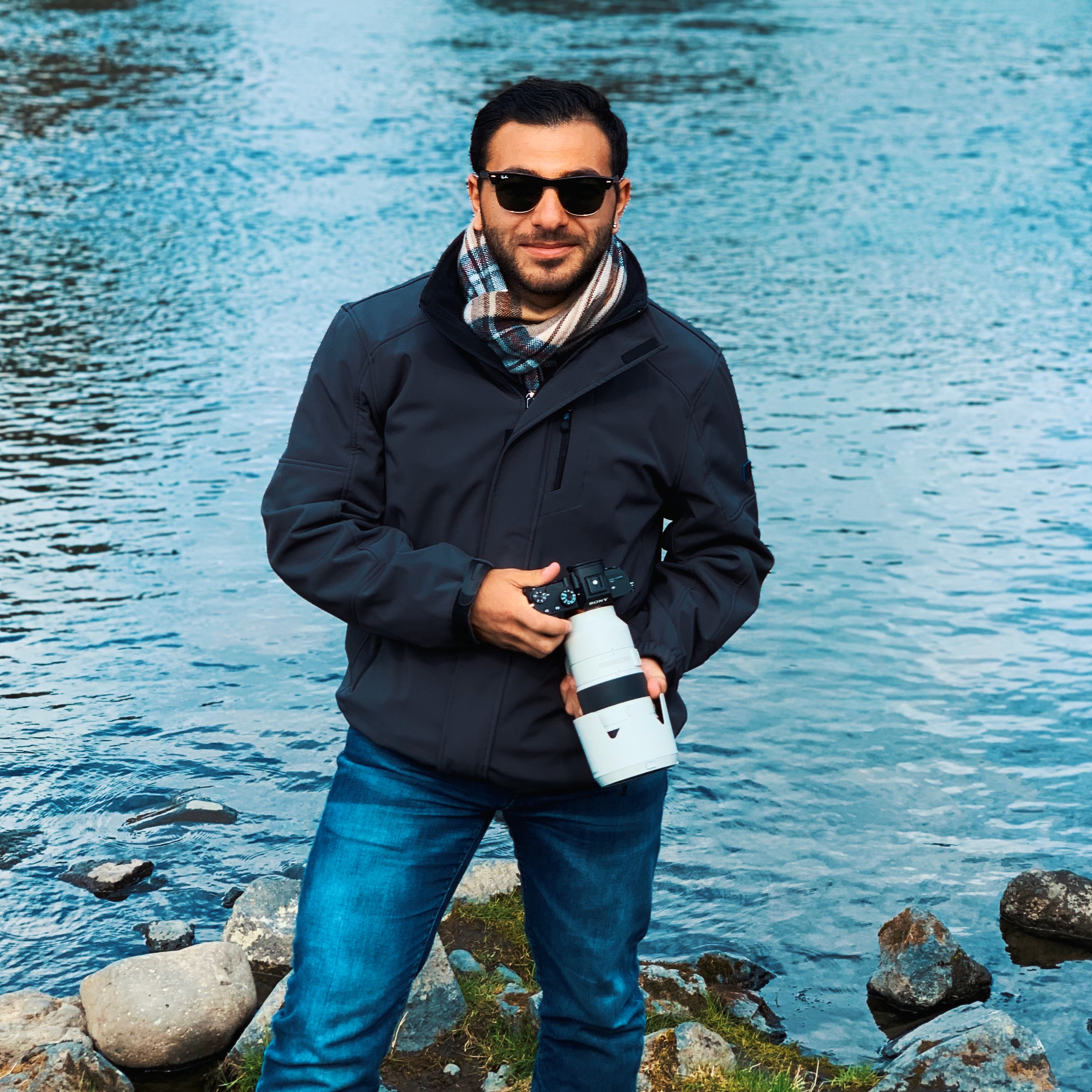
I've been living full-time in this trailer for six months, driving all over the United States. Nights below zero, days up to 100 degrees. In that time I've figured out which pieces of RV gear I genuinely couldn't do without.
Here are 10 RV, trailer, and van life items that make life on the road significantly easier.
Some of the links below are affiliate links. If you buy through them I earn a small commission at no extra cost to you, and it helps support the channel. Two of these have discount codes, noted where they apply.
Quick list
# | Item | Code |
1 | Backup camera with built-in TPMS | MZ5 for 5% off |
2 | Telescoping ladder | |
3 | Lithium batteries | |
4 | Roof solar panels and a portable briefcase | |
5 | Lightweight water hose | |
6 | RV leveling system and leveling blocks | |
7 | Micro-Air EasyTouch smart thermostat | MZ15 for $15 off |
8 | Starlink Mini and remotes | |
9 | Lagun swivel table | |
10 | Chain organizer |
1. A backup camera with TPMS
This is my favorite piece of gear, and the first thing I bought.
I'd never towed anything before this trailer. I towed a U-Haul exactly once to practice reversing. Towing is a completely different beast, and if you travel solo like I do, you don't have a spotter.
Mine combines a backup camera with a TPMS, a tire pressure monitoring system, on one monitor. I can watch tow vehicle tire pressure and trailer tire pressure right in the corner of the backup camera screen.
Backing up a trailer is hard enough. Doing it blind is statistically less safe. This is what I'd buy on day one.
Get the backup camera and TPMS system and use code MZ5 for 5% off.
2. A telescoping ladder
I get asked about this one constantly.
There's no room inside for a full-size ladder. A telescoping ladder folds down compact and stays fairly light, and it gets me on the roof to clear the solar panels, reseal things, and fix whatever has broken this week. It is RV life, after all.
It's also how I hang string lights at camp. Mine is a holdover from my rooftop tent days.
3. Lithium batteries
Probably the single biggest upgrade you can make to a trailer, RV, or van.
I know lithium is controversial for some people. The older chemistries were questionable. The newer ones are far better:
They last far more cycles than lead acid, and far longer overall
They're much lighter for the same capacity, and saving weight helps fuel economy
You can discharge them to 0% without damage. You shouldn't leave them there, but it won't ruin them the way it ruins a lead acid battery
Most include a BMS, so you get an exact charge percentage like a phone
They charge much faster
The one real downside is charging in freezing temperatures. In practice it doesn't get below freezing inside my camper, and many lithium batteries include a small heater that kicks on if you try to charge cold. I was below zero every day in the Tetons with the propane heater running, and it never dropped below about 40 in here.
4. Solar panels, roof and portable
I'm fully boondocking. I haven't paid for a campsite in months, and I only do it if I need water or power, or I just like the campground.
You could run a generator, but they eat space, sometimes smell like gas, and are much louder. If I can take energy from the sun instead, that's the better option.
My setup, 800W total:
400W on the roof. Four 100W flexible panels. Flexible panels are slightly controversial, but I've been happy with the performance and they're much lighter than rigid. Flat-mounted panels do better in summer when the sun is higher, and even using them mostly in winter I've had good results
**A 400W portable solar briefcase** that connects to the side of the RV. This is arguably more important than the roof panels, because I can chase the sun. I only reposition it once a day
I have not plugged this camper in for months. That runs drones, cameras, laptops, and the TV, and I could even run the air conditioner for a short stretch purely off solar charging the lithium battery.
How much you need depends on usage. I'm a high-usage user as a photographer and videographer living in it full-time. I may add two more roof panels just because I have the space.
5. A proper water hose
Don't just grab the first hose at Lowe's.
I use a lightweight Zero-G style hose. It's extremely light, it doesn't knot the way an ordinary hose does, and it folds up compact. Any space saved in a storage bin makes a real difference.
6. An RV leveling system
I was hesitant about this one. Did I really need it when I already have levels on the camper?
Yes. It saves you getting in and out of the tow vehicle five times.
How it works: put the leveling system device inside the camper, use leveling blocks under the wheel, then drive the trailer onto the block while watching the app from the driver's seat. No more hopping out to check and climbing back in.
Bonus use: when I'm boondocking at night and not sure the trailer is level, I check the app to see which side is lower and pick which direction to sleep. Excessive, probably. Still useful.
7. Micro-Air EasyTouch smart thermostat
This one was a genuine winter game-changer.
Camping in the Tetons and Yellowstone, I'd lower the heat or turn it off overnight and wake up freezing, and then not want to leave the bed.
Micro-Air sent me their EasyTouch digital RV thermostat, a direct replacement for the Dometic unit I had. It controls heat and air conditioning, has a good display, and does both Bluetooth and Wi-Fi.
What that gets you:
Turn the heat on from bed so the camper is warm before you get up. Bougie, and worth it
Control it from anywhere in the world over Wi-Fi, which works because I have Starlink in here
Scheduling, so heat comes on every morning and off every night automatically
I was reluctant to put another screen in my camper. I'm glad I did.
Get the Micro-Air EasyTouch and use code MZ15 for $15 off.
8. Starlink Mini
Right now I have no cell service at all, and sometimes I like it that way. The point of Starlink is that it's my choice.
I can flip it on, get online, do work, and flip it off, without driving back into town. I've been running it on the road for almost a year and it lives untouched in a cabinet at the top of the RV.
I use the Starlink Mini specifically because it's portable enough to throw in the Jeep for off-road trips.
I also added remotes so I can power it on and off from the tow vehicle or inside the camper. If I lose service while driving and need maps, music, or I'm mid-call, I turn it on and I'm connected within about two minutes.
As someone who travels solo to remote places, having that option matters for work and for emergencies.
9. A Lagun swivel table
A lot of RVs and vans come with these already.
There are knockoffs, but I went with the real Lagun table because it's well built and made in the USA. I installed a live edge top on mine.
My camper came with a stationary table that only swiveled, and it got in the way so often that I kept removing it. Being able to move this one almost anywhere has been fantastic.
10. A chain organizer
Simple, cheap, and I'd buy it day one if I started over.
Go to any campground and you'll see trailers with chains going every direction and power cords lying on the ground. A chain organizer keeps everything off the ground, stops the chains dragging, and makes hitching and unhitching a real system instead of a pile.
FAQ
What's the first thing to buy for a travel trailer?
A backup camera, ideally one with TPMS built in. Especially if you tow solo without a spotter.
Are lithium RV batteries worth it?
Yes. More cycles, lighter weight, safe to discharge fully, faster charging, and a BMS for accurate charge readings. Just avoid charging them below freezing.
How much solar do you need to boondock full-time?
I run 800W total, 400W on the roof plus a 400W portable briefcase, and I'm a heavy user with cameras, drones, and laptops. I haven't plugged in for months.
Are flexible solar panels any good?
They're debated, but I've been happy with mine and they're much lighter than rigid panels. Flat mounting favors summer sun.
Do I need an RV leveling system?
You don't need one, but it saves you climbing in and out of the tow vehicle repeatedly, and the app tells you which side is low.
Is a smart RV thermostat worth it?
If you camp in the cold, yes. Turning the heat on from bed, or from anywhere with Wi-Fi, changes winter mornings entirely.
Final thoughts
Six months, below zero to 100 degrees, and these are the ten things I'd buy again without thinking about it.
Anything I missed? Let me know in the comments. I'm always looking to buy more RV gear, honestly, and I like testing things to see what actually works.
I'll see you out there on the road.
Related:
Comments